
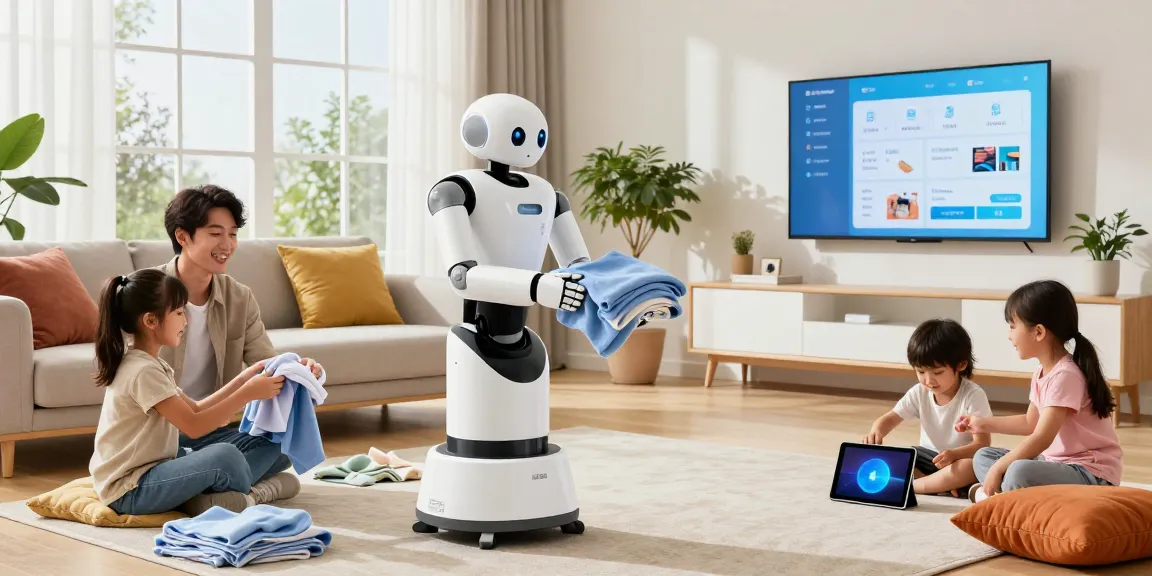
Introduction to Home Robots in 2026
The evolution of home robotics is gaining momentum, with groundbreaking advancements set to redefine our daily lives by 2026. These autonomous devices promise to not only enhance household efficiency but also add a layer of convenience that many have yearned for as our demands on time and energy continue to rise. Home robots are no longer a distant dream; they are a tangible reality with functionalities that can assist with a variety of tasks—ranging from cleaning to cooking. When exploring options, home robot 2026 features will likely encompass a level of adaptability and intelligence that appeals to a broad audience.
What is a Home Robot?
A home robot refers to any robotic system designed to operate within a household environment to assist with chores or provide companionship. These machines can range from basic automated vacuums to complex humanoid robots capable of performing intricate tasks. The core idea is to relieve homeowners of mundane duties, thereby allowing them to focus on more enjoyable activities. Innovations in AI and machine learning further elevate these devices, enabling them to learn from user behaviors and preferences.
Key Features of Home Robots
- Automation: Home robots are designed to perform tasks automatically without human intervention.
- Connectivity: Many robots connect to smart home systems, facilitating remote control via smartphones or voice commands.
- Adaptability: With AI integration, these robots can adapt to their environments and users’ habits over time.
- Safety Features: Advanced sensors allow robots to navigate safely around obstacles and detect potential hazards.
Advancements in Robotics Technology
The past few years have witnessed a surge in research and innovation focused on robotics technology. Significant strides in AI, machine vision, and sensor technology contribute to the development of smarter, more capable home robots. Companies like LG and Tesla are pioneering this evolution with products that showcase intelligent navigation, autonomous decision-making, and enhanced interaction with users. This futuristic vision promises a shift in how we perceive and utilize technology in our day-to-day lives.
Top Home Robots to Look For in 2026
As we approach 2026, many home robots are making headlines for their unique features and functionalities. Here are two notable contenders:
NEO: The Multifunctional Home Assistant
One of the standout models is NEO, designed to be a multifunctional home assistant. This robot not only cleans and manages household chores but also engages users through smart interaction. With a price point expected around $20,000, NEO offers a comprehensive suite of features including cooking assistance and basic home management. Its ability to integrate with other smart home devices elevates it as a central hub for household automation.
LG CLOiD: Your New Kitchen Companion
LG’s CLOiD aims to revolutionize kitchen tasks, offering capabilities such as cooking, cleaning, and even meal planning. With its sophisticated AI, CLOiD can learn user preferences and dietary restrictions, making it a personalized assistant. Price estimates suggest it will be competitively placed within the high-end home robot market, appealing to tech-savvy consumers looking for kitchen innovations.
Comparing Prices and Features
When evaluating your options, it’s crucial to compare price points and features. While models like NEO and CLOiD have advanced capabilities, their cost reflects the technology embedded within. Basic models may serve singular tasks such as vacuuming or lawn mowing at a lower price point, while multifunctional robots will require a more significant investment but could save time and offer more comprehensive assistance over time.
How Home Robots Enhance Daily Life
The integration of home robots into our lives can lead to substantial changes in daily routines. Here’s how these devices can enhance life at home:
Time-Saving Benefits
One of the primary advantages of having a home robot is the significant amount of time it can save. By automating tedious tasks like cleaning floors or mowing lawns, families can redirect their energy towards more gratifying activities, like family outings or hobbies. These robots allow for optimized scheduling of chores, freeing time for personal priorities.
Improving Household Efficiency
Home robots can drastically improve the efficiency of household management. With automated scheduling and task delegation, families can maintain a more organized and functional home environment. Advanced robots can communicate with each other, optimizing task execution, and ensuring chores are completed with minimal human oversight.
Family Interaction and Safety Features
Another significant consideration is how these robots can improve family interactions. With robots handling chores, family members can spend more quality time together. Moreover, safety features like anti-collision sensors and emergency response capabilities enhance peace of mind, allowing families to feel secure knowing their robot can help in uncertain situations.
Challenges and Considerations for Home Robot Adoption
Despite their many advantages, potential buyers should be aware of several challenges when considering home robots:
Cost and Affordability Factors
The initial investment for a home robot can be substantial, with prices ranging from a few hundred to several thousand dollars depending on the functionality and technology involved. While some families may find these investments worthwhile, others might face budgetary restrictions that make such technologies less accessible.
Integration with Existing Smart Home Systems
Another critical factor is the integration capability of new robots with existing smart home technologies. Consumers should verify compatibility with their current devices to ensure a smooth user experience. A poorly integrated robot can lead to frustration and diminish the value it brings to the home.
Addressing Privacy Concerns
With the rise of connected robots comes the necessity to consider data privacy. Many home robots require access to personal information to function effectively, raising concerns about data security. Manufacturers must prioritize robust cybersecurity measures to safeguard users’ data and build trust in their products.
The Future of Home Robots
As we move past 2026, the future of home robots looks promising with several trends emerging:
Trends in Home Robotics Beyond 2026
The trend toward increasing functionality and user-friendly designs will continue. Anticipated advancements include enhanced AI capabilities that allow robots to perform tasks more independently and effectively. Future models may incorporate emotional intelligence, allowing for more natural interaction with users.
Potential Impact on Lifestyle and Employment
Home robots may significantly shift lifestyle paradigms, altering how family members interact and manage their time. As robots take on more household tasks, employment opportunities may also change, with a growing demand for robot maintenance and AI training, shifting the job market landscape.
Expert Insights and Predictions
Experts predict that by 2030, home robots will become commonplace in most households, similar to how smartphones have become integral in our everyday lives. Continuous investment in robotics technology and user adaptation will be critical to realizing this vision.